
 FR
FR  EN
EN  DE
DE  ES
ES  PT
PT  JA
JA By Nico, Marketing Director at Comwin – Leading Innovators in Battery Assembly Solutions
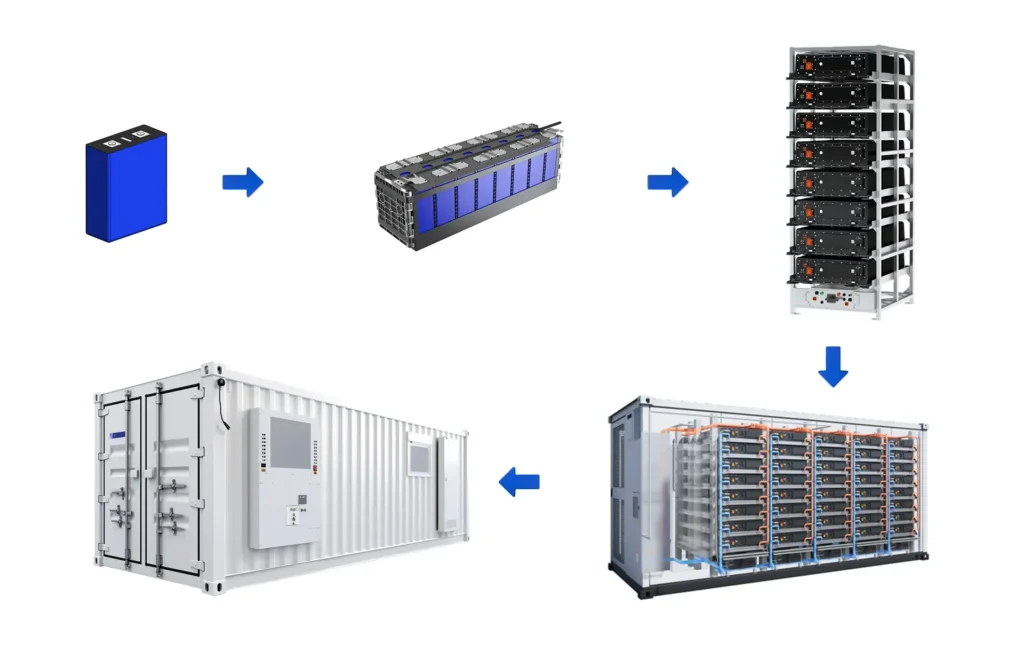
In the fast-paced world of renewable energy, Battery Energy Storage Systems (BESS) are no longer a luxury—they’re a necessity. From stabilizing power grids during peak demand to enabling widespread adoption of electric vehicles and solar energy, BESS technology is at the heart of the green revolution. But what often goes unnoticed is the backbone of this innovation: the assembly line that brings these systems to life. As a guest contributor from Comwin, a pioneer in advanced manufacturing solutions, I’m excited to share how our BESS assembly line is transforming production processes for manufacturers worldwide.
If you’re in the energy sector, scaling up BESS production, or simply curious about the future of battery manufacturing, this article will explore the essentials of BESS assembly lines, their critical processes, and why choosing the right one—like Comwin’s customizable solutions—can supercharge your operations. Let’s dive in!
The Rising Demand for Efficient BESS Production
The global BESS market is booming. According to recent reports from BloombergNEF, installations could surpass 1,000 GWh by 2030, driven by government incentives, falling battery costs, and the urgent need for sustainable energy storage. However, this growth brings challenges: manufacturers must produce high-quality BESS units quickly, safely, and cost-effectively.
Enter the BESS assembly line—a sophisticated system that automates and streamlines the integration of battery cells, modules, management systems, and enclosures. At Comwin, we’ve seen firsthand how a well-engineered assembly line can reduce production time by up to 40%, minimize defects, and ensure compliance with standards like UL 9540 and IEC 62619. But not all assembly lines are created equal. The key is finding one that balances automation, scalability, and customization—qualities that define Comwin’s offerings.
Breaking Down the BESS Assembly Line Process
To appreciate the value of a top-tier BESS assembly line, it’s essential to understand its core processes. Typically divided into Module and PACK segments, these lines handle everything from cell stacking to final testing. Comwin’s lines are designed with hybrid automation (a mix of robotic precision and manual flexibility) to adapt to various battery chemistries, such as LFP or NMC.
Module Segment: Building the Foundation
This phase focuses on assembling individual cells into reliable modules. Comwin’s automated stations use state-of-the-art robotics for tasks like laser welding and OCV testing, ensuring consistency and safety.
- Automated Cell Loading and Testing: Cells are fed and scanned for quality, with AI-driven sensors rejecting defects instantly.
- Precision Stacking and Welding: Robotic arms stack cells uniformly, followed by laser welding for secure connections—reducing human error and boosting throughput.
- Manual Oversight for Customization: Stations for steel band application and CCS installation allow for tailored adjustments, perfect for bespoke projects.
In real-world applications, Comwin clients have reported a 25% increase in module yield thanks to our integrated MES (Manufacturing Execution System) for real-time data tracking.
PACK Segment: Integrating for Performance
Here, modules are enclosed and connected into fully functional battery packs. Comwin emphasizes scalability, with options for full automation in high-volume setups.
- Enclosure Assembly and Sealing: Automated adhesive application ensures airtightness, while manual stations handle complex wiring and BMS integration.
- Comprehensive EOL Testing: Every pack undergoes rigorous checks for voltage, capacity, and safety, with traceable data logs to meet regulatory demands.
What sets Comwin apart? Our lines incorporate modular designs, allowing easy upgrades as your production needs evolve—from 2 MWh/year startups to industrial-scale operations exceeding 50 MWh/year.
How Comwin’s BESS Assembly Line Stands Out
At Comwin, we don’t just sell assembly lines—we partner with manufacturers to build future-proof solutions. Here’s why our BESS assembly line is a cut above the rest:
- Innovation-Driven Design: Featuring advanced robotics from partners like ABB and Fanuc, our lines achieve MTBF (Mean Time Between Failures) rates over 10,000 hours, minimizing downtime.
- Customization for Every Need: Whether you’re producing grid-scale BESS or residential units, our engineers tailor workflows to your battery type, space constraints, and budget. For instance, one client in Europe customized their line for NMC cells, slashing assembly time by 30%.
- Sustainability Focus: Comwin lines emphasize energy-efficient processes, reducing waste and carbon footprint—aligning with global ESG goals.
- Proven ROI: With competitive TCO (Total Cost of Ownership), our clients see payback in as little as 18 months. Case in point: A U.S.-based solar integrator doubled their output after implementing our hybrid system.
- Global Support Network: From installation to after-sales service, our teams provide on-site training and 24/7 remote monitoring, ensuring seamless integration.
Choosing Comwin means investing in reliability. We’ve equipped over 50 facilities worldwide, helping them navigate the complexities of BESS manufacturing while staying ahead of market demands.
Tips for Selecting the Ideal BESS Assembly Line
Based on our experience at Comwin, here are actionable steps to choose the right assembly line:
- Assess Your Needs: Define your target capacity, battery chemistry, and automation level.
- Prioritize Scalability: Opt for modular systems that grow with you.
- Evaluate Suppliers: Look for proven track records, like Comwin’s portfolio of successful deployments.
- Calculate Costs Holistically: Factor in CapEx, OpEx, and long-term savings.
- Test and Validate: Request demos or pilot runs to ensure compatibility.
By following these, you’ll avoid common pitfalls and select a line that delivers real value.
Powering the Future with Comwin
As the energy transition accelerates, efficient BESS production isn’t just about meeting demand—it’s about leading the charge. Comwin’s BESS assembly line empowers manufacturers to produce safer, smarter, and more sustainable systems, positioning them at the forefront of the industry.
If you’re ready to revolutionize your battery production, visit Comwin’s website for a free consultation or download our BESS Assembly Line Selection Guide. We’d love to hear from you— what’s your biggest challenge in BESS manufacturing? Share in the comments below!